Table of Contents
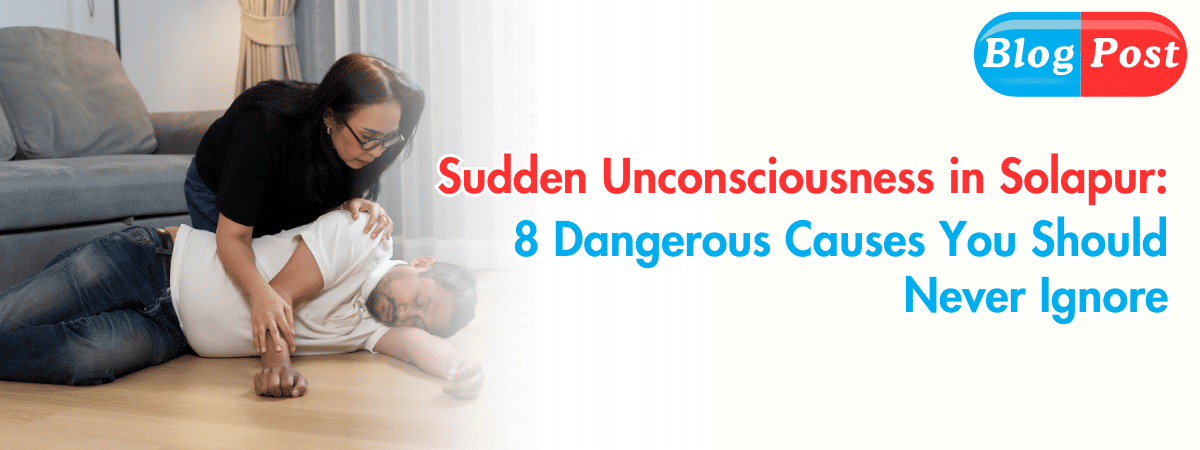
Sudden unconsciousness can be frightening for both patients and family members. One moment a person appears normal, and the next they collapse or stop responding. Many people in Solapur initially assume the person simply fainted due to weakness or low blood pressure. However, sudden unconsciousness can sometimes indicate a serious medical emergency requiring immediate treatment.
If someone loses consciousness even briefly, it may signal an underlying condition affecting the brain, heart, lungs, or circulation. Ignoring these symptoms can delay treatment and increase the risk of life-threatening complications.
Recognizing the sudden loss of consciousness causes and understanding when it becomes a fainting medical emergency can help save lives.
Dr. Vinod Ban, a critical care and emergency medicine specialist in Solapur, regularly manages patients who arrive unconscious due to severe infections, stroke, heart problems, respiratory failure, poisoning, and metabolic emergencies. With advanced ICU support and timely intervention, many of these patients can recover successfully when treatment begins early.
This article explains:
- What sudden unconsciousness means
- The most common sudden loss of consciousness causes
- 8 dangerous medical conditions that can lead to unconsciousness
- Warning signs of a fainting medical emergency
- When to seek immediate medical care in Solapur
Understanding these symptoms can help families act quickly during emergencies.
What Is Sudden Unconsciousness?
Unconsciousness occurs when a person temporarily loses awareness and cannot respond to their surroundings. The person may appear asleep, but they cannot be awakened easily or respond normally.
This condition can occur for several reasons, including:
- reduced blood flow to the brain
- lack of oxygen
- severe infection
- brain injury or stroke
- metabolic disturbances
- poisoning or toxins
While some episodes may last only a few seconds, others may require urgent ICU treatment and monitoring.
Doctors treating patients with sudden unconsciousness often perform advanced diagnostic procedures and monitoring in a hospital setting. You can learn more about these treatments on the Advanced ICU Procedures & Interventions.
Why Sudden Unconsciousness Should Never Be Ignored
The brain requires a continuous supply of oxygen and blood to function normally. When this supply is interrupted, even briefly, the brain can lose consciousness.
In some cases, this may indicate a life-threatening condition affecting vital organs.
If treatment is delayed, complications may include:
- stroke
- heart failure
- organ damage
- respiratory failure
- multi-organ dysfunction
Critical care doctors frequently manage such emergencies through advanced multi-organ support systems.
8 Dangerous Causes of Sudden Unconsciousness
Below are some of the most important sudden loss of consciousness causes that require urgent medical evaluation.
1. Stroke or Brain Circulation Problems
One of the most serious causes of unconsciousness is a stroke.
A stroke occurs when blood supply to part of the brain is blocked or a blood vessel ruptures. This can cause brain cells to stop functioning.
Common stroke symptoms include:
- sudden weakness on one side of the body
- slurred speech
- severe headache
- vision problems
- confusion
In severe cases, stroke may lead to unconsciousness.
You can learn more about early stroke warning signs here:
https://drvinodban.com/stroke-treatment-in-solapur-brain-stroke-symptoms/
Patients with neurological emergencies may require specialized care in a Neuro Critical Care Stroke Unit:
https://drvinodban.com/neuro-critical-care-stroke-unit/
2. Severe Infection (Sepsis)
Sepsis is a life-threatening condition where infection spreads throughout the body.
When the immune system reacts aggressively to infection, it can cause dangerous drops in blood pressure and reduced oxygen supply to organs.
Symptoms may include:
- high fever
- rapid heart rate
- confusion
- difficulty breathing
- loss of consciousness
You can read more about sepsis here:
https://drvinodban.com/sepsis-treatment-in-solapur/
Advanced treatment options are available here:
https://drvinodban.com/sepsis-septic-shock-treatment/
3. Cardiac Problems and Sudden Heart Failure
Heart problems can sometimes cause sudden fainting or unconsciousness.
If the heart is unable to pump blood effectively, the brain may not receive enough oxygen.
This can occur in conditions such as:
- heart attack
- arrhythmias
- cardiac shock
- severe heart failure
Patients experiencing chest discomfort or sudden collapse should seek immediate care.
More information about heart emergencies is explained here:
https://drvinodban.com/chest-pain-in-solapur/
Specialized treatment for cardiac shock is available here:
https://drvinodban.com/cardiac-shock-heart-failure-management/
4. Severe Respiratory Failure
When the lungs cannot deliver enough oxygen to the body, unconsciousness may occur.
Respiratory failure can result from conditions such as:
- severe pneumonia
- COPD exacerbation
- ARDS (Acute Respiratory Distress Syndrome)
Patients may develop symptoms such as:
- severe breathlessness
- rapid breathing
- bluish lips
- confusion
Learn more about breathing emergencies here:
https://drvinodban.com/breathlessness-in-solapur/
Critical respiratory conditions may require ventilator support:
https://drvinodban.com/ards-ventilator-care/
Or treatment for severe COPD exacerbation:
https://drvinodban.com/respiratory-failure-copd-exacerbation/
5. Severe Low Blood Sugar in Diabetes
Patients with uncontrolled diabetes can experience sudden drops in blood sugar levels.
When blood sugar becomes extremely low, the brain may stop functioning normally, leading to unconsciousness.
Symptoms of severe hypoglycemia include:
- sweating
- confusion
- dizziness
- seizures
- fainting
You can read more about diabetes emergencies here:
https://drvinodban.com/uncontrolled-diabetes-in-solapur/
6. Poisoning or Snake Bite
Exposure to toxins, chemicals, or snake venom can affect the nervous system and circulation.
This may lead to symptoms such as:
- confusion
- breathing difficulty
- unconsciousness
- seizures
Emergency treatment is required immediately in such cases.
Learn more about treatment for poisoning and snake bites here:
https://drvinodban.com/poisoning-snake-bite-treatment/
7. Kidney or Liver Failure
Severe kidney or liver problems can cause toxic substances to accumulate in the body.
These toxins may affect brain function and lead to unconsciousness.
Patients with advanced organ failure often require specialized ICU care.
You can read more about these treatments here:
Kidney critical care.
Liver and gastrointestinal critical care.
8. Severe Dehydration or Electrolyte Imbalance
Severe dehydration can disrupt the balance of electrolytes such as sodium and potassium in the body.
This imbalance may affect the brain and heart.
Symptoms may include:
- dizziness
- confusion
- weakness
- fainting
Early treatment is essential to prevent complications.
Warning Signs of a Fainting Medical Emergency
While occasional fainting may occur due to fatigue or dehydration, some symptoms indicate a fainting medical emergency.
Seek immediate medical attention if unconsciousness occurs along with:
- chest pain
- severe headache
- breathing difficulty
- seizures
- persistent confusion
- bluish lips or skin
- repeated fainting episodes
These symptoms require urgent medical evaluation.
What To Do If Someone Becomes Unconscious
If someone suddenly becomes unconscious:
- Check if the person is breathing.
- Lay the person flat on their back.
- Loosen tight clothing.
- Do not give food or water.
- Seek emergency medical care immediately.
Prompt medical attention can prevent serious complications.
How Doctors Diagnose Sudden Unconsciousness
When a patient arrives unconscious, doctors perform several tests to identify the cause.
These may include:
- blood pressure monitoring
- ECG and heart evaluation
- blood tests
- brain imaging (CT scan or MRI)
- infection screening
- oxygen monitoring
These tests help determine whether the problem is related to infection, stroke, heart disease, metabolic imbalance, or organ failure.
Dr. Vinod Ban also provides comprehensive care through General Medicine & Lifestyle Disease Management services.
Treatment for Sudden Unconsciousness
Treatment depends on the underlying cause.
Common treatments include:
- oxygen therapy
- intravenous fluids
- medications for blood pressure stabilization
- antibiotics for infection
- ventilator support
- dialysis for kidney failure
- advanced ICU monitoring
Early treatment significantly improves recovery chances.
When Should You Consult a Doctor in Solapur?
You should consult a doctor immediately if a person:
- collapses suddenly
- loses consciousness repeatedly
- becomes confused after fainting
- has severe breathing problems
- shows signs of stroke or heart problems
If you experience these symptoms, seek expert medical care without delay.
You can book an appointment with Dr. Vinod Ban here.
Final Thoughts
Sudden unconsciousness should never be ignored. While some cases may result from simple fainting, others may indicate life-threatening conditions affecting the brain, heart, lungs, or major organs.
Understanding the sudden loss of consciousness causes and recognizing when it becomes a fainting medical emergency can help families seek timely medical treatment.
Early diagnosis and expert care can prevent complications and improve survival outcomes.
If you or a loved one experiences sudden unconsciousness in Solapur, consult a qualified emergency physician immediately.
