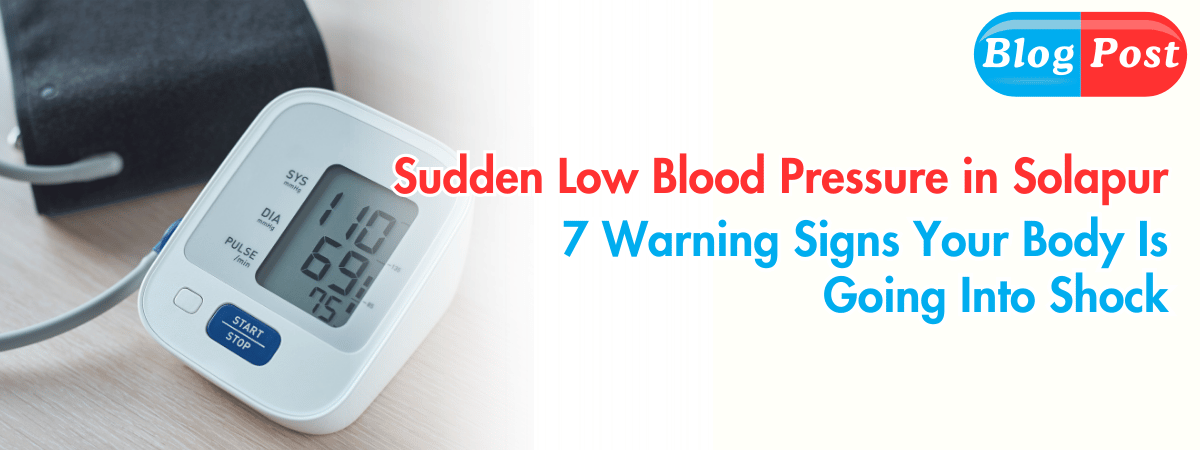
Low blood pressure can sometimes appear harmless. Many people in Solapur assume that feeling slightly dizzy or weak is simply due to fatigue, dehydration, or skipping meals. However, when blood pressure drops suddenly, it may indicate a medical emergency requiring immediate attention.
A Low Blood Pressure Emergency in Solapur should never be ignored, especially when it occurs along with symptoms like fainting, confusion, chest discomfort, or breathing difficulty. These symptoms may signal that the body is entering a dangerous state known as shock, where vital organs like the brain, heart, and kidneys are not receiving enough blood flow.
If not treated quickly, shock can lead to organ failure, ICU admission, and even life-threatening complications. Early recognition of sudden BP drop symptoms can help patients seek treatment before the condition becomes critical.
Dr. Vinod Ban, a critical care and emergency specialist in Solapur, regularly manages patients with severe infections, heart conditions, respiratory failure, and metabolic emergencies that can cause dangerously low blood pressure.
In this article, we will explain:
- What sudden low blood pressure means
- The most dangerous shock symptoms in adults
- 7 warning signs your body may be entering shock
- The causes of sudden BP drop
- When you must rush to the hospital
Understanding these symptoms can save lives.
What Is Low Blood Pressure?
Blood pressure is the force with which blood flows through the arteries to supply oxygen and nutrients to the organs.
Normal blood pressure for adults is typically around:
120/80 mmHg
Low blood pressure, also called hypotension, occurs when blood pressure falls below:
90/60 mmHg
A mild drop in blood pressure may not cause problems. However, a sudden drop in blood pressure can lead to inadequate blood flow to vital organs.
This situation may trigger shock, a life-threatening condition where the body struggles to maintain circulation.
In such situations, emergency physicians often evaluate the patient for conditions such as:
- severe infections
- heart failure
- dehydration
- internal bleeding
- organ dysfunction
Critical care specialists like Dr. Vinod Ban manage these emergencies using advanced ICU treatments and monitoring systems.
You can learn more about ICU management techniques in this service page: Advanced ICU Procedures & Interventions
What Happens When Blood Pressure Suddenly Drops?
When blood pressure falls suddenly, the body cannot deliver enough oxygen to vital organs such as:
- brain
- heart
- kidneys
- lungs
- liver
If circulation does not improve quickly, patients may develop multi-organ dysfunction, requiring advanced ICU care.
In severe cases, patients may require management for conditions like: Advanced Multi Organ Failure Management in Solapur
Low blood pressure can also occur in serious infections, heart problems, or severe respiratory illnesses.
7 Warning Signs Your Body May Be Going Into Shock
Recognizing shock symptoms in adults early can make the difference between recovery and life-threatening complications.
Below are 7 warning signs that require immediate medical attention.
1. Sudden Dizziness or Lightheadedness
One of the earliest sudden BP drop symptoms is persistent dizziness.
Patients may feel:
- lightheaded when standing
- imbalance while walking
- faintness
- blurred vision
These symptoms occur because the brain temporarily receives reduced blood supply.
If dizziness occurs along with chest discomfort or breathlessness, it may indicate heart-related problems.
You may read more about heart-related symptoms in this article: Chest Pain in Solapur: How to Know If It’s a Heart Emergency
2. Fainting or Sudden Loss of Consciousness
When blood pressure falls severely, the brain may not receive enough oxygen, leading to fainting.
This symptom may appear suddenly without warning.
Possible causes include:
- dehydration
- severe infection
- cardiac problems
- neurological conditions
Patients experiencing fainting should receive immediate medical evaluation.
Neurological emergencies may also present with stroke symptoms. Learn more here:
Stroke Treatment in Solapur – Early Brain Stroke Symptoms
3. Cold, Pale, or Clammy Skin
One of the classic shock symptoms in adults is cold, sweaty skin.
When blood pressure drops, the body redirects blood toward vital organs like the brain and heart.
As a result, the skin may appear:
- pale
- cold
- sweaty
- clammy
This symptom is commonly seen in patients with severe infection or septic shock.
If infection spreads throughout the body, it can lead to sepsis, a life-threatening condition.
You can learn more about this here: Sepsis Treatment in Solapur – Early Signs & Risks
And the advanced treatment options are explained here.
4. Rapid Heart Rate or Weak Pulse
When blood pressure drops, the body attempts to compensate by increasing the heart rate.
Patients may experience:
- rapid heartbeat
- palpitations
- weak pulse
- irregular heart rhythm
This is the body’s attempt to maintain circulation.
However, certain heart conditions like heart failure or cardiac shock may prevent the heart from pumping effectively.
These conditions require specialized treatment like Cardiac Shock & Heart Failure Management
5. Confusion or Difficulty Thinking Clearly
When the brain receives inadequate blood flow, patients may develop:
- confusion
- difficulty concentrating
- unusual behavior
- drowsiness
Family members may notice that the patient appears disoriented or slow to respond.
This symptom must never be ignored, as it can indicate serious conditions like stroke, infection, or metabolic emergencies.
Severe infections causing confusion often require critical care management.
You can read about persistent infections here: Persistent Fever in Solapur – When It’s Not Just Viral
6. Difficulty Breathing
Breathing problems may occur when shock affects the lungs or circulation.
Patients may feel:
- breathlessness
- chest tightness
- inability to take deep breaths
- rapid breathing
Respiratory distress may require oxygen therapy or ventilator support.
More information about severe breathing emergencies can be found here:
Breathlessness in Solapur – Causes & When to Seek Help
Critical respiratory conditions may require treatment and advanced ventilator care.
7. Reduced Urine Output
The kidneys require adequate blood flow to function properly.
When blood pressure drops significantly, urine output may decrease.
This symptom may indicate developing kidney dysfunction.
Patients may require specialized treatment for kidney complications such as:
https://drvinodban.com/renal-nephro-critical-care/
Common Causes of Sudden Low Blood Pressure
Several medical conditions can cause a Low Blood Pressure Emergency in Solapur.
Some of the most common causes include:
- Severe Infections : Sepsis can cause widespread inflammation and dangerous blood pressure drops.
- Heart Conditions : Heart failure, heart attack, or cardiac shock may reduce blood circulation.
- Severe Dehydration : Fluid loss due to vomiting, diarrhea, or heat exposure may lower blood pressure.
- Internal Bleeding : Accidents, ulcers, or trauma can lead to sudden blood loss.
- Severe Allergic Reactions : Anaphylaxis can cause rapid blood pressure collapse.
- Poisoning or Toxins : Exposure to certain poisons or snake bites may lead to circulatory shock.
Emergency care for poisoning and envenomation is discussed here.
Advanced Organ Failure
In critical illness, multiple organs may fail simultaneously.
This often requires ICU management. More details are available here.
When Should You Rush to the Hospital?
Immediate medical attention is necessary if low blood pressure occurs along with:
- fainting
- chest pain
- confusion
- severe breathlessness
- bluish lips or skin
- severe weakness
- persistent vomiting
- decreased urine output
These symptoms may indicate life-threatening shock.
Delaying treatment can increase the risk of complications such as:
- organ failure
- stroke
- cardiac arrest
How Doctors Diagnose a Low Blood Pressure Emergency
Doctors evaluate patients with sudden BP drop using several diagnostic tests.
These may include:
- blood pressure monitoring
- blood tests
- ECG
- imaging studies
- infection markers
- kidney and liver function tests
These tests help identify the underlying cause so that treatment can begin immediately.
Dr. Vinod Ban provides specialized care for critical illnesses through his expertise in: General Medicine & Lifestyle Disease Management
Treatment for Shock and Sudden Low Blood Pressure
Treatment depends on the cause of the blood pressure drop.
Common treatments include:
- Intravenous Fluids : Fluids help restore blood circulation.
- Oxygen Therapy : Improves oxygen delivery to vital organs.
- Medications : Certain drugs help increase blood pressure.
- Infection Treatment : Antibiotics may be required for severe infections.
- Advanced ICU Support : Critically ill patients may require ventilators, dialysis, or specialized ICU monitoring.
Preventing Sudden Blood Pressure Drops
While some emergencies cannot be predicted, certain steps can reduce the risk.
These include:
- controlling diabetes
- treating infections early
- managing heart conditions
- staying hydrated
- seeking medical attention for persistent symptoms
You may also read about diabetes-related emergencies here: Uncontrolled Diabetes in Solapur – Warning Signs
Expert Emergency Care in Solapur
Low blood pressure emergencies require rapid diagnosis and treatment.
Dr. Vinod Ban is experienced in managing:
- septic shock
- cardiac shock
- respiratory failure
- multi-organ dysfunction
- severe infections
- metabolic emergencies
His critical care expertise allows patients to receive timely emergency treatment and advanced ICU support.
If you or a family member experiences symptoms of shock or sudden BP drop, do not delay medical care.
You can book an appointment with Dr. Vinod Ban here.
Early treatment can prevent complications and save lives.
Final Thoughts
Sudden low blood pressure should never be ignored. While mild hypotension may not cause serious problems, a rapid drop in blood pressure can indicate a life-threatening emergency.
Recognizing the 7 warning signs of shock symptoms in adults can help patients seek timely treatment and prevent serious complications.
If you notice sudden BP drop symptoms such as dizziness, fainting, confusion, breathing difficulty, or cold clammy skin, consult a doctor immediately.
Early diagnosis and expert medical care can make a life-saving difference.
