Table of Contents
Oxygen is essential for every cell in your body. From your brain to your heart and lungs, every organ depends on a steady supply of oxygen to function properly.
However, many people do not realize when their oxygen levels start dropping. In fact, Low Oxygen Levels in Blood can develop silently without obvious symptoms in the early stages. This condition is often referred to as “silent hypoxia” and can quickly turn into a medical emergency if ignored.
In recent years, especially after COVID-19, awareness about oxygen levels (SpO₂) has increased. Still, many patients in Solapur delay seeking treatment until their condition becomes serious.
If you are searching for information about low oxygen symptoms or spo2 low symptoms, this guide will help you understand the warning signs and when to seek urgent medical care.
Dr. Vinod Ban, a renowned physician in Solapur and Critical Care Specialist, specializes in managing patients with breathing problems, oxygen deficiency, infections, and ICU emergencies.
What Are Low Oxygen Levels in Blood?
Low oxygen levels in blood (also called hypoxia) occur when your body is not receiving enough oxygen to meet its needs.
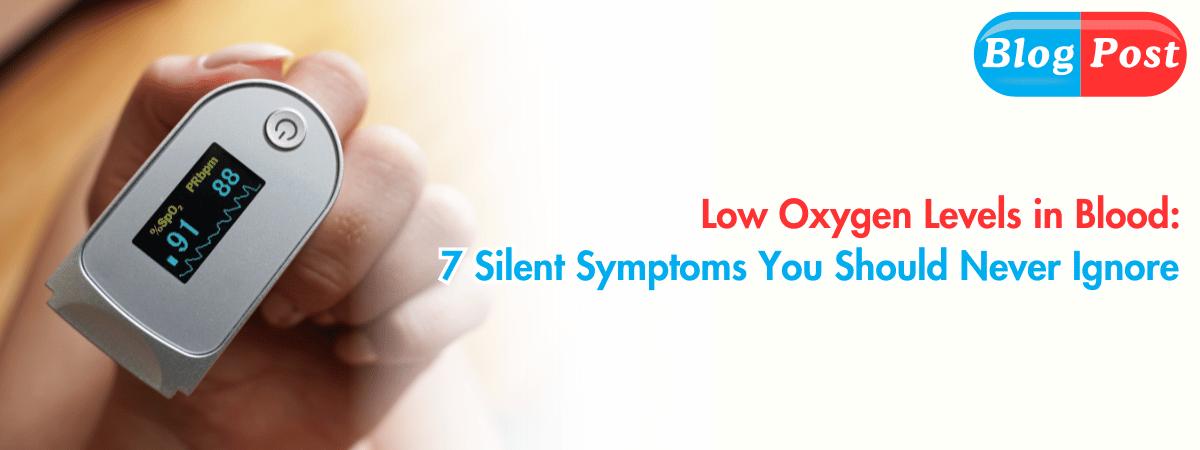
Normal oxygen saturation (SpO₂) is usually:
- 95% to 100% – Normal
- 90% to 94% – Mild concern
- Below 90% – Medical emergency
Low oxygen levels can affect:
- brain function
- heart performance
- kidney function
- overall organ health
In severe cases, it can lead to organ failure and require ICU admission.
Why Low Oxygen Levels Are Dangerous
Oxygen is vital for survival. When oxygen levels drop:
- the brain may not function properly
- the heart works harder
- organs may begin to fail
- the body can go into shock
Severe hypoxia may require advanced ICU care and ventilator support.
Learn more about advanced ICU care.
Common Causes of Low Oxygen Levels in Blood
Understanding the causes helps identify the seriousness of the condition.
1. Lung Diseases
Conditions like pneumonia, COPD, or infections can reduce oxygen exchange.
Read more:Respiratory failure copd exacerbation
2. Severe Infections (Sepsis)
Severe infections can impair oxygen delivery to tissues.
https://drvinodban.com/sepsis-treatment-in-solapur/
https://drvinodban.com/sepsis-septic-shock-treatment/
3. Post-COVID Lung Damage
Some patients continue to have low oxygen after COVID recovery.
Read more: post covid recovery lung rehabilitation
4. Heart Conditions
Heart problems can reduce oxygen supply to the body.
5. Kidney and Metabolic Disorders
6. Poisoning or Toxic Exposure
7. Multi-Organ Failure
7 Silent Symptoms You Should Never Ignore
Low oxygen levels may not always cause obvious breathing problems. Recognizing spo2 low symptoms early can save lives.
1. Persistent Fatigue and Weakness : If you feel unusually tired even without physical activity, it may indicate low oxygen supply to muscles and tissues.
2. Shortness of Breath (Even at Rest) : Difficulty breathing or feeling breathless while sitting or lying down is a key sign.
Learn more: Breathlessness
3. Rapid Breathing or Heart Rate : The body tries to compensate for low oxygen by increasing breathing and heart rate.
4. Confusion or Difficulty Concentrating :
Low oxygen affects brain function.
Read more:Sudden unconsciousness treatment in solapur
5. Bluish Lips or Fingertips : A bluish discoloration indicates lack of oxygen in the blood.
6. Chest Discomfort or Tightness : Sometimes low oxygen may be associated with heart-related issues. Read more : Chest pain
7. Dizziness or Fainting : Low oxygen can reduce blood flow to the brain, leading to fainting.
When Does Low Oxygen Become a Medical Emergency?
Low oxygen becomes dangerous when:
- SpO₂ drops below 90%
- breathing becomes difficult
- confusion increases
- patient becomes drowsy or unconscious
These situations require immediate hospital care.
When Should You Visit a Doctor in Solapur?
Seek medical help immediately if:
- oxygen levels are consistently low
- symptoms worsen
- you have fever or infection
- vomiting or dehydration
- abdominal pain or weakness
How Doctors Diagnose Low Oxygen Levels
Doctors evaluate oxygen levels using:
- pulse oximeter (SpO₂ monitoring)
- arterial blood gas test
- chest X-ray or CT scan
- blood tests
Advanced monitoring may be required in ICU settings.
Treatment Options for Low Oxygen Levels
Treatment depends on the underlying cause.
Common treatments include:
- oxygen therapy
- medications for infection
- fluids and electrolyte correction
- ventilator support (if severe)
Learn more: ARDS ventilator care
Preventing Low Oxygen Levels
You can reduce risk by:
- avoiding smoking
- managing chronic diseases
- staying hydrated
- getting regular health check-ups
- treating infections early
Read more : Diabetes management
Expert Care for Low Oxygen Levels in Solapur
Low oxygen levels should never be ignored.
Dr. Vinod Ban, renowned physician in Solapur and Critical Care Specialist, provides expert care for:
- low oxygen levels
- breathing problems
- infections
- ICU and emergency conditions
Timely treatment can prevent complications and save lives.
Final Thoughts
Low oxygen levels in blood can develop silently but lead to serious complications if ignored.
Recognizing low oxygen symptoms and understanding spo2 low symptoms can help you take early action and avoid emergencies.
If you or your loved one experiences these symptoms, do not delay medical care.

Pingback: Sudden Confusion in Elderly Treatment in Solapur: 7 Dangerous Causes You Should Never Ignore
Pingback: Fast Heartbeat Causes (Heart Palpitations): Causes, Warning Signs & Treatment in Solapur