Table of Contents
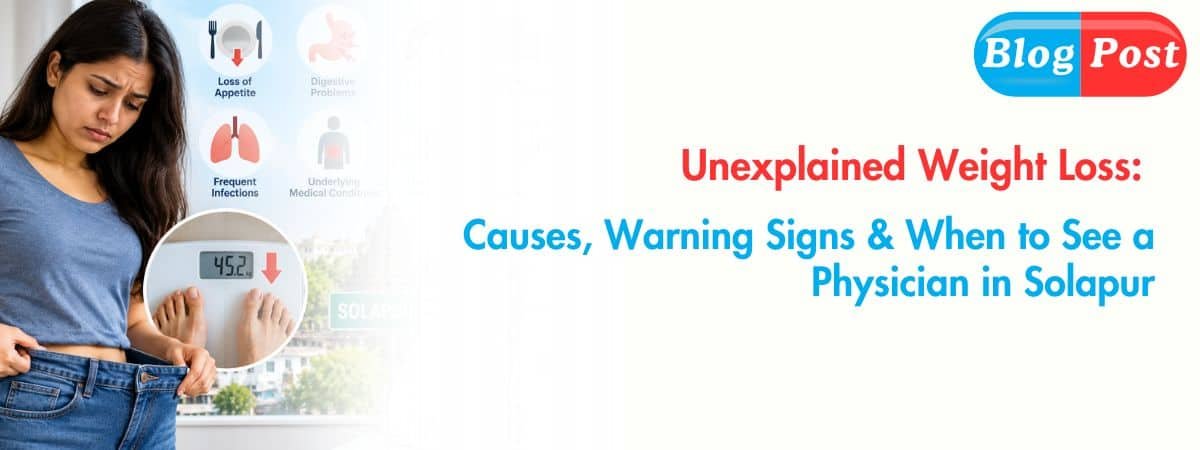
Losing weight without changing your diet, exercise routine, or daily habits may seem harmless, but unexplained weight loss can sometimes indicate an underlying medical condition. Some adults notice loose clothes, reduced appetite, fatigue, thirst, fever, digestive problems, or weakness with Sudden Weight Loss in Adults.
Unintentional weight loss is generally considered clinically significant when a person loses approximately 5% or more of their usual body weight over 6–12 months without trying. For example, losing 3.5 kg from a usual weight of 70 kg may warrant evaluation.
The cause cannot be determined from weight change alone. A physician may review symptoms, history, examination, and investigations. In Solapur, Dr. Vinod Ban, MBBS, DNB (Medicine), IDCCM, IFCCM, Senior Physician and Critical Care Specialist, provides medical evaluation.
What Is Unexplained Weight Loss?
Unexplained weight loss means reduced body weight without deliberate dieting, calorie restriction, or increased physical activity. Causes may include reduced appetite, increased metabolism, poor nutrient absorption, muscle loss, chronic illness, fluid loss, or hormonal changes.
Normal fluctuations occur, but ongoing unexplained loss deserves medical assessment.
When Is Weight Loss Considered Medically Significant?
A commonly used clinical threshold is unintentional loss of at least 5% of usual body weight over approximately 6–12 months.
| Usual Body Weight | 5% Weight Loss |
| 50 kg | 2.5 kg |
| 60 kg | 3 kg |
| 70 kg | 3.5 kg |
| 80 kg | 4 kg |
| 90 kg | 4.5 kg |
| 100 kg | 5 kg |
These are general reference points. Seek care earlier if weight loss is rapid, continues despite adequate food intake, or occurs with other symptoms.
12 Important Unexplained Weight Loss Causes in Adults
1. Uncontrolled Diabetes
Very high blood glucose can cause glucose loss through urine and breakdown of fat and muscle. Symptoms include thirst, frequent urination, hunger, fatigue, blurred vision, and weight loss.
Read more about uncontrolled diabetes warning signs and medical care in Solapur.
Urgent warning: Vomiting, abdominal pain, deep or rapid breathing, severe dehydration, or confusion with possible diabetes requires emergency assessment.
2. Overactive Thyroid (Hyperthyroidism)
Hyperthyroidism can increase metabolism and cause weight loss despite normal or increased appetite. Fast heartbeat, sweating, tremors, heat intolerance, anxiety, and muscle weakness may occur. TSH and free T4 may be recommended.
3. Chronic Infections
Persistent infections can affect appetite and metabolism. Examples include tuberculosis, gastrointestinal, bacterial, parasitic infections, and HIV. Fever, night sweats, prolonged cough, diarrhoea, fatigue, and weakness may occur.
Read about persistent fever in adults and sepsis treatment and warning signs.
4. Digestive Disorders and Poor Nutrient Absorption
Digestive conditions such as coeliac disease, inflammatory bowel disease, chronic pancreatitis, persistent diarrhoea, and intestinal infections can impair nutrient absorption. Loose stools, bloating, abdominal discomfort, oily stools, and deficiencies may occur.
Read more about gastrointestinal and liver critical care services.
5. Loss of Appetite
Reduced appetite may result from chronic illness, digestive discomfort, medicines, dental problems, taste changes, stress, depression, or swallowing difficulty. Older adults may be particularly vulnerable to nutritional deficiencies.
6. Cancer and Certain Tumours
Cancer can sometimes cause unexplained weight loss, but weight loss alone does not establish cancer. A new lump, bleeding, persistent cough, swallowing difficulty, abdominal symptoms, fatigue, or bowel changes should be assessed.
7. Depression, Anxiety, and Prolonged Stress
Depression, anxiety, and prolonged stress can affect appetite, digestion, sleep, and eating patterns. Persistent sadness, sleep changes, reduced appetite, or ongoing worry may occur. Do not assume persistent weight loss is caused only by stress.
8. Chronic Kidney Disease
Kidney disease can affect appetite, fluid balance, and nutrition. Reduced appetite, nausea, fatigue, muscle loss, weight loss, urinary changes, or leg swelling may occur. Creatinine, eGFR, and urine tests may be considered.
Read about acute kidney injury symptoms and treatment.
9. Chronic Liver Disease
Liver disease may affect appetite, digestion, nutrition, and muscle maintenance. Poor appetite, tiredness, abdominal swelling, jaundice, nausea, or weakness may occur. Liver tests or imaging may be recommended.
10. Medication Side Effects
Some medicines can affect appetite, digestion, or body weight. If weight loss begins after starting or changing a medicine, discuss it with your treating doctor.
Do not stop prescribed medicines independently.
11. Chronic Heart or Lung Disease
Chronic heart and lung disease can increase energy needs and make muscle maintenance difficult. Breathlessness, cough, fatigue, reduced appetite, weakness, and sometimes cachexia may occur.
Read about breathlessness and its possible causes and respiratory failure and COPD exacerbation care.
12. Age-Related Muscle Loss and Nutritional Deficiencies
Muscle mass and appetite may decline with age, but significant unintentional weight loss should not be dismissed as normal ageing. Poor nutrition, swallowing problems, chronic illness, medicines, reduced mobility, and social isolation can contribute.
Sudden Weight Loss in Adults: Why Should You Pay Attention?
Sudden Weight Loss in Adults can be concerning when it occurs quickly or with other symptoms. Causes may include reduced intake, dehydration, diabetes, infection, or another condition.
Arrange a medical evaluation for:
- Clear weight reduction over a few weeks
- Clothes becoming noticeably loose without intentional dieting
- Persistent loss of appetite
- Ongoing diarrhoea or vomiting
- Unexplained fever or night sweats
- Increasing weakness
- Excessive thirst and frequent urination
Rapid weight loss caused by dehydration may require urgent treatment, especially with dizziness, very low urine output, or inability to keep fluids down.
Read about continuous vomiting and dehydration warning signs.
Warning Signs That Require Prompt Medical Evaluation
Seek medical evaluation when weight loss occurs with persistent fever or night sweats, blood in stool, ongoing digestive symptoms, excessive thirst and frequent urination, unexplained lumps or swelling, or increasing weakness.
Read about constant weakness and fatigue causes.
When Is Unexplained Weight Loss a Medical Emergency?
Seek immediate medical attention for:
- Severe breathlessness or chest pain
- Fainting, collapse, or severe confusion
- Severe dehydration
- Persistent vomiting with inability to drink
- Severe abdominal pain
- Very high blood glucose with vomiting or deep, rapid breathing
- Severe weakness that prevents normal functioning
These symptoms may indicate an acute medical condition and require emergency evaluation.
Learn about sudden unconsciousness and its warning signs.
How Is Unexplained Weight Loss Diagnosed?
Diagnosis begins with a medical assessment covering the amount and duration of weight loss and associated symptoms.
Medical History and Physical Examination
Your doctor may review previous weight, appetite, diet, symptoms, medical conditions, medicines, supplements, and family history. Examination may include weight/BMI, vital signs, hydration, thyroid, abdomen, muscle mass, and nutrition.
Which Tests May Be Recommended for Unexplained Weight Loss?
There is no single test for every cause. Investigations depend on symptoms, age, history, examination, and clinical judgement.
- CBC: May identify anaemia or infection-related abnormalities.
- Blood glucose and HbA1c: Assess blood sugar and diabetes.
- Thyroid function tests: TSH and free T4 may assess thyroid dysfunction.
- Kidney function tests: Creatinine and eGFR assess kidney function.
- Liver function tests: Assess liver-related abnormalities.
- Electrolytes and urine tests: May help assess dehydration, glucose, infection, or kidney problems.
- Stool tests: May be used for persistent diarrhoea or gastrointestinal symptoms.
- Imaging or specialised tests: Ultrasound, chest imaging, endoscopy, or other targeted tests may be considered.
Cancer screening should follow age-appropriate recommendations and individual risk factors. Weight loss alone does not automatically require every possible scan or tumour marker test.
Unexplained Weight Loss Treatment: How Is It Managed?
Treatment depends on the underlying cause and may include management of diabetes, thyroid disorders, infections, digestive disorders, kidney or liver disease, or medicines contributing to weight loss.
Nutritional support may include balanced meals, protein, nutrient-dense foods, hydration, dietitian consultation, or supplements when indicated. Continued loss may require further evaluation.
What Should You Eat When Losing Weight Without Trying?
Until the cause is identified, focus on balanced nutrition rather than rapid weight gain. Eat regular meals with suitable protein sources such as pulses, eggs, dairy, fish, vegetables, fruits, and whole grains. Maintain adequate fluids and avoid unnecessary restrictive diets.
If appetite is low, smaller, frequent meals may help. Diet alone cannot treat medical causes. People with diabetes or kidney disease should follow an individualised plan.
Why Should Older Adults Not Ignore Unintentional Weight Loss?
Unintentional weight loss can affect muscle strength, balance, mobility, and independence. Poor appetite, swallowing problems, medicines, depression, chronic disease, reduced mobility, and difficulty preparing meals can contribute.
A physician may assess nutrition, function, medicines, and medical causes. Sudden confusion, severe weakness, or collapse requires urgent care.
Unexplained Weight Loss in Solapur: When to Consult a Physician
If you are losing weight without trying, consulting a physician can help determine whether the cause is related to diabetes, thyroid function, digestion, infection, medication, nutrition, or another condition.
A Physician for Weight Loss in Solapur can evaluate symptoms, review reports, and recommend appropriate investigations. Dr. Vinod Ban is a Senior Physician and Critical Care Specialist with qualifications including MBBS, DNB (Medicine), IDCCM, and IFCCM.
For further information, visit General Medicine and Lifestyle Disease Management in Solapur.
Consultation Details
Dr. Vinod Ban
Senior Physician & Critical Care Specialist
Yashodhara Super Speciality Hospital – Unit 2
Solapur–Hyderabad Road, Near Market Yard, Solapur, Maharashtra
For ongoing or sudden weight loss, you can book an appointment with Dr. Vinod Ban. Carry available medical reports.
Conclusion
Unexplained weight loss is a symptom, not a diagnosis. It may result from reduced food intake or medication effects, but it can also be associated with diabetes, thyroid disorders, infections, digestive disease, and other conditions.
The important step is to identify why the weight loss is happening. Persistent or sudden unexplained loss deserves timely medical evaluation.
For medical evaluation in Solapur, you can book an appointment with Dr. Vinod Ban.
Medical disclaimer: This article is for general educational purposes and does not replace individual medical advice, diagnosis, or treatment. Do not stop prescribed medicines or begin supplements without consulting your treating doctor.
FAQs
1. What are the most common unexplained weight loss causes?
Common causes include diabetes, hyperthyroidism, infections, digestive disorders, medicines, mental health conditions, and chronic illnesses.
2. How much unintentional weight loss is concerning?
About 5% or more of usual body weight over 6–12 months is commonly considered clinically significant.
3. Can diabetes cause sudden weight loss?
Yes. Uncontrolled diabetes can cause urinary glucose loss and changes in energy use, often with thirst and frequent urination.
4. Can thyroid problems cause weight loss?
Yes. Hyperthyroidism can increase metabolism and cause weight loss despite normal or increased appetite.
5. Can stress cause unexplained weight loss?
Yes. Stress and anxiety can affect appetite and digestion, but persistent loss should not automatically be attributed to stress.
6. Can weight loss occur without loss of appetite?
Yes. Hyperthyroidism, diabetes, and some chronic illnesses can cause weight loss despite normal or increased appetite.
7. Which blood tests are commonly recommended?
Tests may include CBC, glucose/HbA1c, thyroid, kidney, liver, electrolyte, and urine tests.
8. Can digestive problems cause weight loss?
Yes. Digestive disorders and malabsorption can impair nutrient absorption and cause weight loss.
9. Should I take weight gain supplements?
Do not use weight gain supplements before identifying the cause; discuss nutritional support with your physician.
10. When should I see a Physician for Weight Loss in Solapur?
Consult a physician for persistent loss, especially around 5% of usual weight or with other symptoms. Seek emergency care for severe symptoms.
